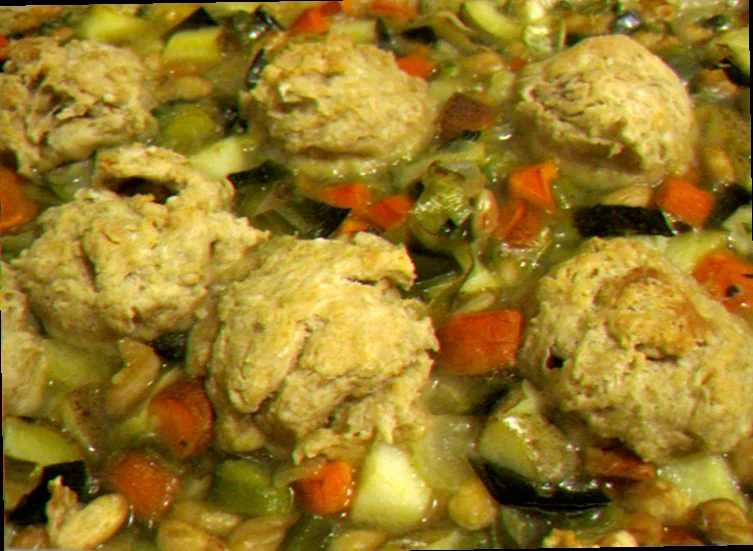
The Veganomicon Cassoulet is a triumph of plant-based cooking, but for many, it ends in disappointment. The most common failure is a Watery, Mushy Bean Matrix, where the once distinct beans dissolve into a homogenous, unappetizing sludge. This guide will dissect every potential pitfall, from ingredient selection to final plating, ensuring your next attempt achieves authentic cassoulet perfection.
What Perfect Veganomicon Cassoulet Actually Looks, Feels, and Tastes Like
| Stage | Success marker — what you should see / feel / smell / hear |
|---|---|
| Raw Ingredients | White beans should be plump and uniformly pale ivory. Mirepoix (carrots, celery, onion) should be firm and vibrantly colored. Herbs should be fragrant and perky. Smoked tofu/tempeh should have a distinct, firm texture. |
| Mid-Cook (Simmering) | The liquid should be a rich, amber broth, with beans retaining their shape but showing slight softening. A gentle, contented simmer, not a rolling boil. The aroma should be earthy, savory, with a hint of smoke and herbs. |
| Finished (Baked) | A deeply browned, rustic crust should form on the surface, crackling slightly when disturbed. Beneath the crust, the beans should be tender but intact, suspended in a thick, unctuous, gravy-like sauce. The aroma should be complex: deeply savory, herbaceous, with toasted notes. |
| Serving | Each spoonful should yield distinct beans, tender but not disintegrated, coated in a rich, glossy sauce. The texture should be creamy yet with a satisfying bite. Flavors should be layered: initial earthiness of beans, followed by savory depth from aromatics and “meaty” elements, finishing with a lingering herbaceous warmth. |
The Ingredient Failures — Wrong Choices Before You Even Start Cooking
- Watery, Mushy Bean Matrix: caused by using old, improperly stored dried beans that have lost their ability to hydrate evenly. → fix: Use freshly purchased dried white beans (e.g., Great Northern, Cannellini), stored in a cool, dark, dry place for no more than 12 months.
- Leathery “Sausage” Texture: caused by using pre-smoked tofu that is too dense or processed, or tempeh that hasn’t been properly prepared. → fix: Use firm or extra-firm smoked tofu, sliced ½-inch thick, or tempeh that has been steamed for 10 minutes before cubing and browning.
- Dull, One-Dimensional Flavor: caused by using stale or flavorless dried herbs. → fix: Use freshly opened dried herbs or, ideally, fresh herbs (e.g., thyme, bay leaves) for maximum aroma and flavor infusion.
- Greasy Finish: caused by using a vegetable oil with too low a smoke point for browning the tofu/tempeh. → fix: Use a high-smoke point oil such as refined avocado oil or grapeseed oil for sautéing.
The Technique Failures — What Goes Wrong During Cooking
- Watery, Mushy Bean Matrix: symptom: Beans have disintegrated into a soupy mess. → caused by: Over-boiling the beans before baking, or baking at too high a temperature without sufficient liquid evaporation. → fix: Simmer beans gently (barely a bubble) for the initial cooking phase, and bake at 175°C (350°F) for the majority of the time, allowing steam to escape.
- Dull Crust / No Crust Formation: symptom: The top remains pale and unbrowned. → caused by: Insufficient oven temperature during the final baking stage, or a surface that is too wet. → fix: Increase oven temperature to 200°C (400°F) for the last 15-20 minutes of baking, and ensure the surface is not overly liquid before this final blast.
- Rubbery Tofu/Tempeh: symptom: The “meat” elements are chewy and unpleasant. → caused by: Over-crowding the pan during browning, preventing proper caramelization and leading to steaming. → fix: Brown the tofu/tempeh in batches, ensuring each piece has direct contact with the hot pan surface.
- Bitter Undertones: symptom: A faint bitterness mars the overall flavor profile. → caused by: Burning the mirepoix (onions, carrots, celery) during the initial sauté. → fix: Sauté mirepoix over medium-low heat, stirring frequently, until softened and translucent, not browned or scorched.
- Watery Sauce: symptom: The sauce is thin and lacks body. → caused by: Not allowing enough liquid to evaporate during the simmering or baking stages. → fix: Bake with the lid slightly ajar, or remove the lid entirely for the last 30 minutes of baking, to encourage evaporation.
The Equipment Failures — When Your Tools Are the Problem
- Uneven Cooking / Hot Spots: what the wrong version causes + what to use instead + why it matters. A thin, reactive aluminum pot can lead to scorching and uneven simmering of the beans. Use a heavy-bottomed Dutch oven or enameled cast-iron pot for consistent heat distribution, crucial for the long, slow cooking of cassoulet.
- Cracked Crust / Scorched Bottom: the failure it produces + the fix + the workaround if unavailable. A baking dish with thin walls or poor heat retention can cause uneven browning and scorching. Use a sturdy ceramic or cast-iron baking dish. If you only have thinner glass, ensure the cassoulet is well-covered with foil for the initial bake, and check the bottom for signs of scorching.
- Imprecise Temperature Readings: why this specific tool exists for this dish + acceptable substitute. An oven without a reliable thermometer can lead to guesswork on temperature, directly impacting crust formation and bean texture. Use an oven thermometer to ensure accurate temperatures. If unavailable, learn your oven’s hot spots and adjust cooking times accordingly, perhaps by rotating the dish more frequently.
The Full Recipe — Built Around Preventing Every Failure Above
- Dried White Beans (e.g., Great Northern, Cannellini) — 500g — The failure this specification prevents: Watery, Mushy Bean Matrix. Using fresh beans ensures even hydration and texture.
- Smoked Tofu or Tempeh — 400g — Why this form/grade/temperature matters: Firm or extra-firm smoked tofu prevents the Leathery “Sausage” Texture. If using tempeh, steam it first to soften.
- High-Smoke Point Oil (e.g., Avocado, Grapeseed) — 3 tablespoons — The failure this specification prevents: Greasy Finish. Prevents scorching and unpleasant burnt notes.
- Yellow Onions — 2 medium, finely chopped — The failure this specification prevents: Bitter Undertones. Chopping finely and sautéing gently ensures sweetness.
- Carrots — 2 medium, finely chopped — Prevents Bitter Undertones.
- Celery Stalks — 2, finely chopped — Prevents Bitter Undertones.
- Garlic Cloves — 4, minced — For aromatic depth.
- Vegetable Broth — 1.5 liters — The failure this specification prevents: Watery Sauce. This is the base for building a rich, unctuous sauce.
- Tomato Paste — 2 tablespoons — Adds depth of color and umami, contributing to a rich sauce.
- Fresh Thyme Sprigs — 4-5 — The failure this specification prevents: Dull, One-Dimensional Flavor. Fresh herbs provide superior aroma.
- Bay Leaves — 2 — For subtle herbaceous complexity.
- Smoked Paprika — 1 teaspoon — Enhances smokiness and color.
- Salt and Freshly Ground Black Pepper — to taste — Essential for flavor balance.
- Fresh Parsley — for garnish — Adds a fresh counterpoint to richness.
Method:
- Rinse and soak dried beans overnight. Drain and rinse again. — The failure this prevents: Watery, Mushy Bean Matrix. Pre-soaking ensures even cooking. — success marker: Plump, hydrated beans.
- In a heavy-bottomed Dutch oven or cast-iron pot, heat 2 tablespoons of high-smoke point oil over medium heat. Add chopped onions, carrots, and celery. Sauté, stirring often, until softened and translucent, about 8-10 minutes. — The failure this prevents: Bitter Undertones. Slow sautéing builds sweetness, not bitterness. — success marker: Mirepoix is softened and fragrant, not browned.
- Add minced garlic and tomato paste. Cook for another 1-2 minutes until fragrant. — Enhances aromatics. — success marker: Garlic is fragrant, tomato paste darkens slightly.
- Add the drained beans, vegetable broth, thyme sprigs, bay leaves, and smoked paprika. Bring to a gentle simmer. — This is where Watery, Mushy Bean Matrix happens if you boil vigorously. — success marker: A gentle, contented simmer with barely any bubbles breaking the surface.
- Cover the pot and cook on low heat for 45-60 minutes, or until beans are tender but still hold their shape. Stir occasionally to prevent sticking. — This stage ensures beans are cooked through without disintegrating. — success marker: Beans are yielding to a fork but not falling apart.
- While beans simmer, cut smoked tofu or tempeh into ½-inch cubes. Heat the remaining 1 tablespoon of oil in a separate skillet over medium-high heat. Brown the tofu/tempeh in batches until golden brown and slightly crisp on all sides. — The failure this prevents: Rubbery Tofu/Tempeh. Batch frying ensures proper browning. — success marker: Cubes are golden-brown and have a slight crust.
- Remove thyme sprigs and bay leaves from the bean pot. Stir in the browned tofu/tempeh. Season generously with salt and pepper. — Flavor balancing. — success marker: The mixture smells deeply savory.
- Transfer the cassoulet to a sturdy baking dish. — The failure this prevents: Uneven cooking and scorching. — success marker: The mixture is evenly distributed in the dish.
- Bake in a preheated oven at 175°C (350°F) for 45-60 minutes, or until the sauce has thickened and a rustic crust begins to form. Stir gently halfway through. — The failure this prevents: Watery Sauce. This slow bake allows for gradual evaporation. — success marker: The sauce is visibly thicker, and the top is starting to brown.
- Increase oven temperature to 200°C (400°F) and bake for another 15-20 minutes, uncovered, until the crust is deep golden brown and crackling. — The failure this prevents: Dull Crust / No Crust Formation. This high heat creates the signature cassoulet crust. — success marker: A deep, golden-brown, slightly crisp crust.
- Let rest for 10 minutes before serving. Garnish with fresh parsley. — Allows flavors to meld and prevents a scalding-hot mouthfeel. — success marker: The crust is intact, the aroma is rich and inviting.
How to Rescue Veganomicon Cassoulet When It Has Already Gone Wrong
- If Watery, Mushy Bean Matrix has happened: The beans have dissolved. This is a difficult fix. You can try to thicken the sauce by simmering uncovered at a higher heat (180°C/350°F) for longer, stirring frequently, to evaporate excess liquid. However, the texture will likely remain compromised. The best rescue is to use it as a base for a hearty bean soup or to blend it into a spread.
- If Dull Crust / No Crust Formation has happened: Increase the oven temperature to 220°C (425°F) for the final 15-20 minutes, watching very carefully to prevent burning. You can also try broiling for 2-3 minutes, again, with extreme vigilance.
- If Rubbery Tofu/Tempeh has happened: This is hard to reverse once cooked. For future attempts, ensure proper browning. In a pinch, you could try simmering the rubbery pieces in a little extra broth with a dash of soy sauce to try and soften them, but the texture will never be ideal.
- If Watery Sauce has happened: Remove the lid and bake at 190°C (375°F) for an additional 30-45 minutes, or until the sauce has reduced to a desirable consistency. Stir occasionally.
Make-Ahead: Which Failures This Introduces and How to Avoid Them
Making cassoulet ahead is feasible, but introduces the risk of Soggy Crust Formation and Bean Disintegration during Reheating.
- To avoid Soggy Crust Formation: Bake the cassoulet fully, but do not bake the final crust-forming stage. Allow it to cool completely, then refrigerate in an airtight container for up to 2 days. When ready to serve, reheat at 175°C (350°F) until warmed through, then increase to 200°C (400°F) for the final browning stage as per the recipe.
- To avoid Bean Disintegration during Reheating: Reheat gently. If reheating from chilled, use the lower oven temperature (175°C/350°F) for a longer period, allowing the beans to warm through gradually. Avoid aggressive microwaving, which can overcook and break down the beans.
Related topics: Vegan pumpkin spice drink recipe · Applesauce vegan cupcakes recipe · Vegan potato bake recipe
Diagnostic FAQ — Real Failures, Real Fixes
My cassoulet turned out watery and the beans were mushy — what went wrong?
This is the Watery, Mushy Bean Matrix. Most likely, your dried beans were old and didn’t hydrate evenly, or you boiled them too vigorously before the baking stage. For next time, use fresh beans and simmer them gently.
It looked right but tasted bland — where did I go wrong?
This is Dull, One-Dimensional Flavor. The most probable cause is using stale dried herbs or not adequately seasoning. Next time, ensure your herbs are fresh and taste and adjust salt and pepper at multiple stages, especially before the final bake.
Everything looked perfect until I took it out of the oven, and the crust was pale and sad — why did it fail?
This is Dull Crust / No Crust Formation. Your oven temperature during the final stage was likely too low, or the cassoulet was too wet when it went in. Next time, ensure you crank the oven to 200°C (400°F) for that critical final browning, and don’t be afraid of a slightly reduced sauce before this stage.