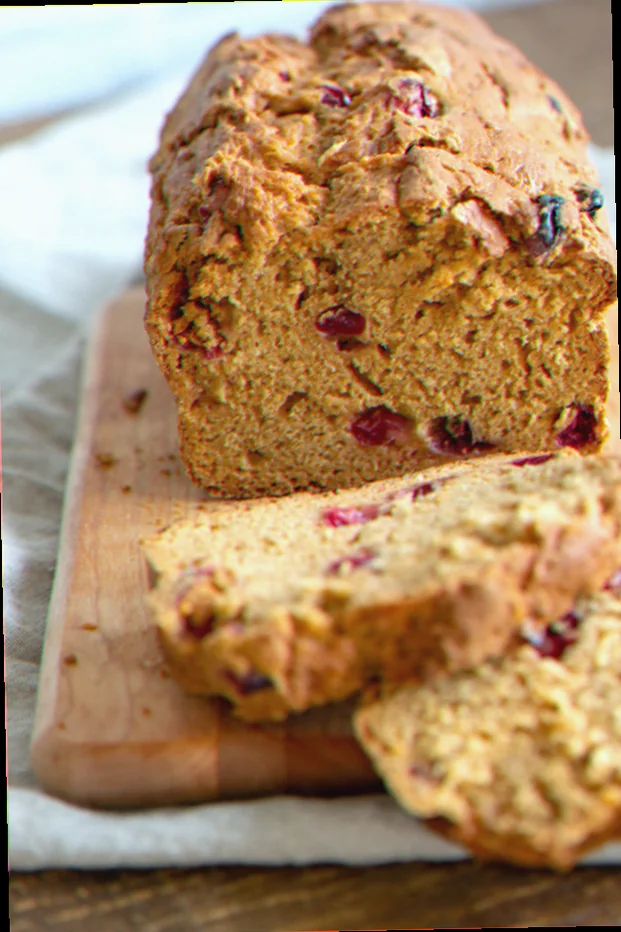
Vegan sweet potato bread often emerges from the oven dense and gummy, a common failure we’ll call The Leaden Loaf. This happens when the bread lacks lift, resulting in a texture that feels heavy and unappetizing, tasting more like damp clay than a tender quick bread. This guide will equip you to diagnose and eliminate every potential pitfall, ensuring your next attempt is a triumph.
What Perfect Vegan Sweet Potato Bread Actually Looks, Feels, and Tastes Like
| Stage | Success marker — what you should see / feel / smell / hear |
|---|---|
| Before cooking | The batter is thick, glossy, and a vibrant orange-brown. It should hold soft peaks when spooned, not run like thin soup. A faint, sweet, earthy aroma is discernible. |
| During cooking | The loaf will puff up visibly in the oven, turning a deep golden brown on top. A gentle tapping on the crust will yield a hollow sound, indicating even cooking. Internal temperature should reach 95-98°C. The kitchen will fill with a warm, comforting, spiced aroma. |
| At the finish | The finished loaf is a rich, deep golden-brown on top, with a slightly domed crown. When gently pressed, it springs back. A skewer inserted into the center should come out clean, with no wet batter clinging to it. The aroma is a complex blend of sweet potato, spice, and warm bread. |
| When serving | Slices reveal a tender, moist crumb with a few small, even air pockets – never large, gaping holes. The texture is soft and yielding, but not sticky or dense. The flavour is a harmonious balance of sweet potato, warming spices (cinnamon, nutmeg, ginger), and a hint of vanilla. |
The Ingredient Failures — Wrong Choices Before You Even Start Cooking
- The Leaden Loaf (Dense, Gummy Texture): caused by overly wet sweet potato puree → fix: thoroughly drain cooked sweet potato puree by pressing it through a fine-mesh sieve or letting it drain in the sieve for at least 30 minutes to remove excess moisture.
- The Gritty Loaf (Unpleasant Mouthfeel): caused by using granulated sugar instead of superfine/caster sugar → fix: use superfine or caster sugar; its smaller crystals dissolve more readily, preventing a gritty texture.
- The Bland Loaf (Lack of Sweetness/Spice): caused by stale spices or insufficient spice quantity → fix: use fresh spices (sniff them to ensure potency) and increase spice quantities by 25% if you desire a bolder flavour profile. Ensure your sweet potato is naturally sweet; underripe sweet potatoes can lead to a less flavourful base.
The Technique Failures — What Goes Wrong During Cooking
- The Leaden Loaf (Dense, Gummy Texture): what it looks/tastes like → caused by over-mixing the batter → fix: mix dry and wet ingredients until just combined. Stop stirring the moment you no longer see streaks of flour. Over-mixing develops gluten in the flour, leading to a tough, dense bread.
- The Sunken Center (Cracked Top, Dense Middle): symptom → The top of the loaf cracks and collapses inwards, leaving a dense, undercooked center. → cause → oven temperature too high, or baking for too short a time. → fix: ensure your oven is accurately preheated to 175°C (350°F). Bake for the full recommended time (50-60 minutes), checking for doneness with a skewer.
- The Soggy Bottom (Greasy Base): symptom → The bottom crust is pale, soft, and feels greasy. → cause → using insufficient or no oil in the pan, or baking on the lowest oven rack. → fix: generously grease and flour your loaf pan, or line it with parchment paper. Bake on the middle oven rack to allow for even heat circulation.
- The Dry, Crumbly Loaf (Falls Apart Easily): symptom → The bread is too dry, difficult to slice cleanly, and crumbles. → cause → over-baking. → fix: start checking for doneness at the lower end of the baking time (around 50 minutes). A skewer should come out clean, but the crumb should still look moist.
The Equipment Failures — When Your Tools Are the Problem
- The Leaden Loaf: caused by using a metal loaf pan that is too dark or thin. Dark pans absorb more heat, potentially burning the exterior before the interior is cooked, while thin pans lead to uneven heat distribution. → what to use instead: a standard, light-colored aluminum loaf pan (approx. 23x13cm). → why it matters: This ensures even heat penetration, allowing the bread to rise and bake uniformly.
- The Sunken Center: produced by an inaccurate oven thermometer. Ovens can be notoriously off. → the fix: use an oven thermometer to verify your oven’s actual temperature. Adjust the dial accordingly. → the workaround if unavailable: trust your senses and the skewer test. If the top is browning rapidly but the skewer is still wet, tent the top loosely with foil and continue baking.
- The Unevenly Baked Loaf: why this specific tool exists for this dish: a good quality spatula for folding ingredients. → acceptable substitute: a sturdy wooden spoon. → why it matters: A spatula or spoon allows you to gently fold ingredients together, preventing over-mixing and ensuring a tender crumb. A whisk can over-aerate the batter or break down the delicate structure too much.
The Full Recipe — Built Around Preventing Every Failure Above
- Sweet Potato Puree: 240g (approx. 1 large sweet potato) — prevents The Leaden Loaf by ensuring controlled moisture. (Ensure it’s well-drained as per troubleshooting above).
- Superfine (Caster) Sugar: 150g — prevents The Gritty Loaf.
- Vegetable Oil: 120ml — prevents The Soggy Bottom. Use a neutral oil like canola or sunflower.
- Unsweetened Plant-Based Milk (e.g., almond, soy): 60ml — prevents The Leaden Loaf by contributing necessary liquid without excess water.
- Vanilla Extract: 1 tsp — enhances overall flavour.
- All-Purpose Flour: 250g — balanced for texture.
- Baking Soda: 1 tsp — essential for lift.
- Ground Cinnamon: 1.5 tsp — enhances flavour and prevents The Bland Loaf.
- Ground Nutmeg: 0.5 tsp — adds depth.
- Ground Ginger: 0.25 tsp — adds warmth.
- Salt: 0.5 tsp — balances sweetness.
Method:
- Preheat your oven to 175°C (350°F). Lightly grease and flour a 23x13cm loaf pan, or line it with parchment paper. — This prevents The Soggy Bottom and ensures even heat distribution for proper rise.
- Success marker: The pan is evenly coated with grease and flour, or lined neatly with parchment.
- In a large bowl, whisk together the drained sweet potato puree, superfine sugar, vegetable oil, plant-based milk, and vanilla extract. — This combines the wet ingredients smoothly, preventing pockets of unmixed elements.
- Success marker: The mixture is homogenous and glossy, with no visible oil separation.
- In a separate medium bowl, whisk together the all-purpose flour, baking soda, cinnamon, nutmeg, ginger, and salt. — This ensures the leavening agents and spices are evenly distributed throughout the dry ingredients, preventing pockets of bitterness or lack of rise.
- Success marker: The dry ingredients are a uniform pale beige colour with no clumps of baking soda or spice.
- Add the dry ingredients to the wet ingredients. — This is where you prevent The Leaden Loaf and The Dry, Crumbly Loaf.
- Instruction: Fold the dry ingredients into the wet using a spatula or wooden spoon until just combined. Do not over-mix. Stop as soon as no streaks of flour remain.
- Success marker: The batter is thick and uniform, with no dry flour pockets, but still has a slightly lumpy appearance from the gentle mixing.
- Pour the batter into the prepared loaf pan. Smooth the top gently with your spatula. — This ensures even baking and helps create a level top, preventing excessive cracking.
- Success marker: The batter fills the pan evenly to about two-thirds full.
- Bake for 50-60 minutes, or until a skewer inserted into the center comes out clean. — This is a critical control point to prevent The Leaden Loaf and The Sunken Center. If the top browns too quickly before the center is cooked, tent loosely with foil.
- Success marker: The skewer emerges completely clean, with no wet batter. The top is a deep golden brown and springs back when gently pressed. Internal temperature should be 95-98°C.
- Let the bread cool in the pan for 10-15 minutes before inverting it onto a wire rack to cool completely. — This prevents The Soggy Bottom by allowing steam to escape and the crust to firm up.
- Success marker: The loaf releases easily from the pan and is stable on the wire rack, not slumping.
How to Rescue [Vegan Sweet Potato Bread] When It Has Already Gone Wrong
- If The Leaden Loaf (Dense, Gummy Texture) has happened: Unfortunately, this is difficult to fully rescue once baked. The texture is fundamentally altered by the lack of aeration. What to salvage: Slice it thinly and toast it thoroughly. The toasting can help dry it out slightly and improve the texture, making it more palatable, perhaps served with a thick spread.
- If The Sunken Center (Cracked Top, Dense Middle) has happened: The cracked top is permanent, but the dense middle can be salvaged. Exact rescue steps: Carefully use a sharp knife to trim off the severely cracked, potentially burnt top. Slice the remaining loaf and toast each slice thoroughly. It might still be slightly denser than ideal, but toasting improves it significantly.
- If The Dry, Crumbly Loaf has happened: This is a textural issue that can be somewhat mitigated. Rescue protocol: Generously brush or spread slices with a simple glaze (e.g., melted vegan butter with a touch of maple syrup) immediately after toasting. This adds moisture back into the bread.
Make-Ahead: Which Failures This Introduces and How to Avoid Them
Making vegan sweet potato bread ahead introduces the risk of The Stale Loaf (loss of moisture and tenderness) and The Soggy Bottom (condensation if stored improperly).
- To avoid The Stale Loaf: Ensure the bread is completely cooled before wrapping. Wrap tightly in plastic wrap, then in aluminum foil, or place in an airtight container. Store at room temperature for up to 2 days, or in the refrigerator for up to 5 days.
- To avoid The Soggy Bottom: Never store warm bread in a closed container. Ensure it is fully cooled and the crust is firm before wrapping. If refrigerating, allow it to come to room temperature before slicing to prevent condensation from making the interior gummy. Reheat gently in a 150°C (300°F) oven for 5-10 minutes to refresh the texture.
Related topics: Vegan rosemary bread machine recipe · Vegan mashed sweet potato recipes · Vegan potato bake recipe
Diagnostic FAQ — Real Failures, Real Fixes
My vegan sweet potato bread turned out dense and gummy — what went wrong?
This is The Leaden Loaf. The most likely cause is excess moisture from insufficiently drained sweet potato puree, or over-mixing the batter. For next time, ensure your sweet potato is pressed dry, and fold the dry ingredients into the wet only until just combined.
It looked right but tasted bland — where did I go wrong?
This points to The Bland Loaf. The most likely culprits are stale spices or underripe, less flavourful sweet potato. For your next bake, sniff your spices to confirm freshness and ensure you’re using a ripe, sweet sweet potato. You might also consider increasing the spice quantities by 25% for a bolder flavour.
Everything looked perfect until I cut into it, and the center was still wet and sunken — why did it sink?
This is The Sunken Center. The most probable cause is the oven temperature was too low or the bake time was insufficient. Ensure your oven is accurately calibrated with a thermometer and begin checking for doneness at the lower end of the recommended baking time, using a skewer test for doneness. If the top is browning too fast, tenting with foil is a crucial step.