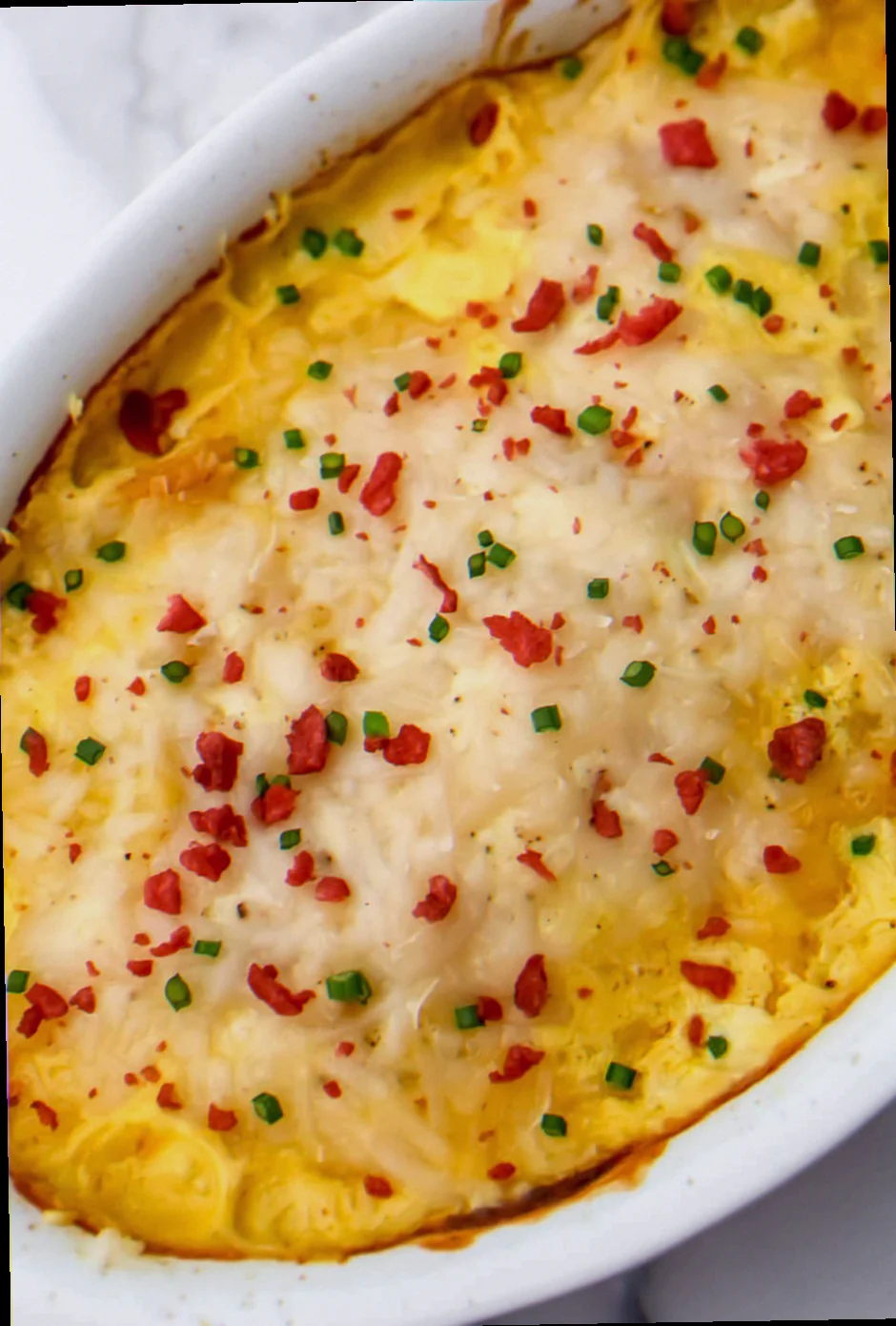
Vegan Potato Bake: A Diagnostic Guide to Failure and Fix
Your Vegan Potato Bake turned out gummy and gluey, a far cry from the crisp-edged, creamy-dreamy dish you envisioned. This isn’t just a minor misstep; it’s a common failure mode that can leave you with a disappointing meal. This guide will dissect every potential pitfall, from ingredient selection to the final bake, providing precise solutions so your next attempt is a resounding success.
What Perfect Vegan Potato Bake Actually Looks, Feels, and Tastes Like
| Stage | Success marker — what you should see / feel / smell / hear |
|---|---|
| Before cooking | Thinly sliced potato rounds, uniform in thickness (around 2-3mm), showing no signs of browning or sogginess. The cashew cream is smooth, homogenous, and has a light, creamy sheen. Herbs are vibrant green and fragrant. The baking dish is clean and dry. |
| During cooking | A gentle bubbling around the edges of the dish, indicating the liquid is simmering. The aroma shifts from raw potato to a comforting, savory scent of baked starch and herbs. Internal temperature reaches 95°C in the center of the bake, ensuring potatoes are tender. The top should begin to show golden-brown edges. |
| At the finish | The potato bake is set, not wobbly or liquid. A fork inserted into the center meets tender resistance from the potatoes. The top layer is golden-brown and slightly crisp. The edges are caramelized. The aroma is rich and inviting, a blend of roasted potato, garlic, and herbs. |
| When serving | Each serving holds its shape, revealing tender, yielding potato slices bound by a creamy, non-watery sauce. The texture is a delightful contrast: slightly crisp edges giving way to a soft, creamy interior. The flavour is deep and savory, with the natural sweetness of potato enhanced by garlic, herbs, and the richness of the cashew cream. There should be no starchy “gluey” aftertaste. |
The Ingredient Failures — Wrong Choices Before You Even Start Cooking
- Gummy, Gluey Texture: caused by using starchy potatoes (like Russets) that break down too much during cooking or slicing them too thinly and inconsistently. → fix: Use waxy potatoes such as Yukon Gold or Maris Piper for their superior structure. Slice uniformly to 2-3mm thickness using a mandoline for even cooking.
- Watery Bake: caused by using a cashew cream that hasn’t been soaked long enough or is too thin. → fix: Soak raw cashews in boiling water for at least 30 minutes, or in cold water for 4-8 hours. Drain thoroughly before blending. Use 150g of soaked cashews per 200ml of liquid to ensure a thick, emulsified cream.
- Lack of Richness/Flat Flavour: caused by omitting or using insufficient nutritional yeast or garlic. → fix: Ensure you use at least 3 tablespoons (approx. 30g) of nutritional yeast for a cheesy, umami depth. Use 3-4 cloves of fresh garlic, minced finely, not powder, for a pungent, aromatic base.
The Technique Failures — What Goes Wrong During Cooking
- Watery Bottom / Soggy Base: symptom: The bottom layer of potatoes is mushy and waterlogged, while the top is cooked. → caused by: Insufficient preheating of the oven, or not allowing the cashew cream to thicken sufficiently before baking. → fix: Preheat your oven to 190°C (170°C fan/Gas Mark 5) for at least 20 minutes. Ensure the cashew cream has reduced slightly when blended, so it’s not overly liquid. Bake for a minimum of 45-55 minutes.
- Uneven Cooking / Hard Potatoes: symptom: Some potato slices are tender, while others remain firm and undercooked. → caused by: Inconsistent slicing thickness, overcrowding the dish, or not ensuring adequate liquid distribution. → fix: Use a mandoline for consistent slicing. Layer potatoes snugly but avoid packing them too tightly. Pour the cashew cream evenly over all layers, ensuring it seeps down.
- Burnt Edges, Undercooked Center: symptom: The edges of the bake are blackened, but the center is still not tender. → caused by: Oven temperature too high for the duration of the bake, or inadequate covering during the initial cooking phase. → fix: Start baking at 190°C for the first 30 minutes, then reduce the temperature to 180°C (160°C fan/Gas Mark 4) for the remaining 20-25 minutes. Tent the dish loosely with foil for the first 30-40 minutes if concerned about the top browning too quickly.
- Split Cashew Cream Sauce: symptom: The sauce appears oily and separated, rather than smooth and homogenous. → caused by: Overheating the cashew cream after blending, or adding acidic ingredients too early. → fix: Do not boil the cashew cream once blended; gently heat it. If adding lemon juice (for tang), add it right at the end of blending, after the initial heating.
The Equipment Failures — When Your Tools Are the Problem
- Uneven Baking: what the wrong version causes + what to use instead + why it matters. Using a dark, thin metal baking dish can lead to burnt edges and uneven cooking. Opt for a medium-weight ceramic or glass baking dish (approx. 20x25cm) for more consistent heat distribution.
- Inconsistent Slicing: the failure it produces + the fix + the workaround if unavailable. A dull knife or freehand slicing will result in uneven potato thickness, leading to partial undercooking. Use a mandoline slicer set to 2-3mm for perfect uniformity. If you don’t have a mandoline, practice extreme care and patience with a very sharp chef’s knife.
- Poor Blending: why this specific tool exists for this dish + acceptable substitute. A low-powered blender will struggle to create a truly smooth and emulsified cashew cream, leading to a grainy or separated sauce. A high-speed blender (like a Vitamix or Blendtec) is ideal. If using a standard blender, ensure cashews are soaked for longer (8+ hours) and blend in batches if necessary, adding liquid incrementally until smooth.
The Full Recipe — Built Around Preventing Every Failure Above
- Waxy Potatoes (e.g., Yukon Gold or Maris Piper) — 1kg — the failure this specification prevents: gummy, gluey texture, uneven cooking.
- Raw Cashews — 150g — why this form/grade/temperature matters: for a thick, emulsified, non-watery sauce.
- Water — 200ml — plus extra for soaking cashews; for blending the cashew cream.
- Nutritional Yeast — 3 tbsp (approx. 30g) — for a deep, cheesy, umami flavour, preventing flat taste.
- Garlic — 3-4 cloves, minced — for pungent aroma and flavour, preventing lack of richness.
- Fresh Thyme / Rosemary — 2 sprigs each, leaves removed — for vibrant aroma and herbaceous notes.
- Salt — 1 tsp — or to taste, enhancing all flavours.
- Black Pepper — ½ tsp — or to taste.
- Olive Oil — 1 tbsp — for greasing the dish, preventing sticking.
Method:
- Soak Cashews: Place raw cashews in a heatproof bowl. Pour boiling water over them to cover completely. Let stand for 30 minutes (or soak in cold water for 4-8 hours). Drain thoroughly. → this prevents a watery sauce. Success marker: Cashews are softened and easily pierced.
- Prepare Potatoes: Peel potatoes and slice them uniformly into 2-3mm thick rounds using a mandoline slicer. → this prevents inconsistent cooking and gummy texture. Success marker: uniform, thin slices.
- Make Cashew Cream: In a high-speed blender, combine drained cashews, 200ml water, nutritional yeast, minced garlic, thyme leaves, rosemary leaves, salt, and pepper. Blend on high until completely smooth and creamy, about 1-2 minutes. → this prevents a grainy or split sauce. Success marker: A thick, homogenous, pourable cream.
- Assemble Bake: Preheat oven to 190°C (170°C fan/Gas Mark 5). Lightly grease a ceramic or glass baking dish (approx. 20x25cm) with olive oil. → prevents sticking.
- Layer Potatoes: Arrange a single layer of potato slices in the dish, slightly overlapping. Pour about one-third of the cashew cream evenly over the potatoes. Repeat with two more layers of potatoes and cashew cream, finishing with the cream. → this ensures even distribution of liquid and prevents a soggy bottom. Success marker: Cream is evenly coating each potato layer.
- Initial Bake: Cover the dish loosely with foil. Bake for 30 minutes. → this prevents the top from browning too quickly and ensures initial steaming of potatoes. Success marker: Gentle bubbling around the edges.
- Final Bake: Remove foil. Reduce oven temperature to 180°C (160°C fan/Gas Mark 4). Bake for a further 20-25 minutes, or until the top is golden brown and the potatoes are tender. → this allows for browning and caramelization while ensuring the potatoes are fully cooked. Success marker: The bake is set, the top is golden, and a fork pierces tender potatoes.
How to Rescue [Primary Entity] When It Has Already Gone Wrong
- If your bake is watery: If the bake is still too liquid after the recommended cooking time, remove the foil and increase the oven temperature to 200°C (180°C fan/Gas Mark 6) for the last 10-15 minutes. This will help evaporate excess moisture. It will not fully recover its perfect set, but will improve.
- If your bake is gummy/gluey: This is difficult to fully rescue. If it’s slightly gummy, try to scrape off the most affected layer and reheat the rest. If severely gummy, consider transforming it: mash the potatoes with the sauce, add extra herbs and spices, and re-bake as a thick potato mash.
- If the top is burnt but the inside is raw: Immediately tent the dish tightly with foil. Reduce the oven temperature to 160°C (140°C fan/Gas Mark 3) and continue baking for another 20-30 minutes, or until the potatoes are tender. The top will not recover its crispness, but the inside will cook.
Make-Ahead: Which Failures This Introduces and How to Avoid Them
Making vegan potato bake ahead can introduce Gummy Texture and Watery Sauce. Cause: Cooling and reheating can cause the starch to break down further, making it gummy. Moisture can also separate from the sauce upon cooling. Protocol: Assemble the bake but do not cook. Cover tightly with plastic wrap directly touching the surface to prevent a skin, then with foil. Refrigerate for up to 24 hours at 4°C. To reheat, remove plastic wrap, cover with foil, and bake at 180°C (160°C fan/Gas Mark 4) for 30-40 minutes until heated through. Remove foil for the last 10-15 minutes to crisp the top. Avoid over-reheating, which exacerbates gumminess.
Related topics: Vegan sweet potato bread recipe · Applesauce vegan cupcakes recipe · Vegan buttercream recipe
Diagnostic FAQ — Real Failures, Real Fixes
My [primary entity] turned out gummy and gluey — what went wrong?
This is likely due to using starchy potatoes (like Russets) or slicing them too thinly and inconsistently, causing them to break down excessively. Fix: Next time, use waxy potatoes (Yukon Gold, Maris Piper) and a mandoline for uniform 2-3mm slices.
It looked right but tasted watery and bland — where did I go wrong?
The blandness points to insufficient flavourings. The wateriness suggests the cashew cream was too thin. Fix: Increase nutritional yeast to 3 tbsp and ensure you use fresh garlic. For the sauce, soak cashews longer and use a 150g cashew to 200ml liquid ratio for a thicker cream.
Everything looked perfect until I cut into it and it was still hard in the center — why did it fail?
This is Uneven Cooking. The cause is inconsistent potato slicing or insufficient liquid to steam the potatoes through. Fix: Always use a mandoline for uniform slices and ensure the cashew cream is poured evenly over all layers, allowing it to seep down. If it’s a minor issue, you can try covering with foil and baking longer at a lower temperature (160°C) to gently finish cooking without burning the edges.