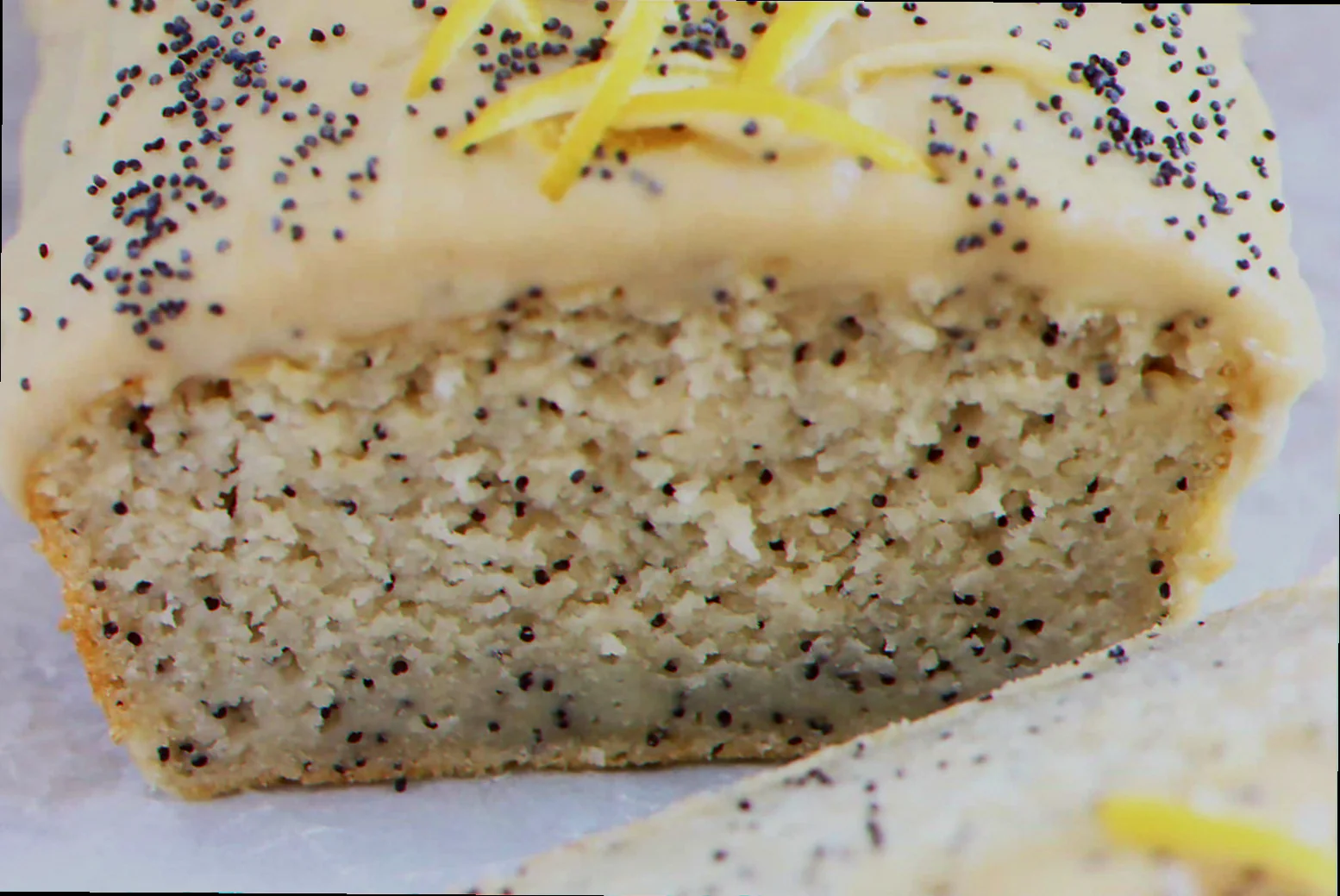
I spent three years getting Vegan poppy seed cake wrong before I understood the secret. Three years of dry, crumbly disasters, of cakes that tasted vaguely of ‘something’ but never truly delivered that unique, nutty, slightly bitter-sweet whisper of poppy. I tried everything: grinding the seeds, not grinding them, adding more liquid, less flour. It was a journey fraught with disappointment until one cold winter afternoon, a moment of pure, accidental genius struck me. The single insight that changed everything was the poppy seed bloom.
Why Most Versions of Vegan poppy seed cake Fail
Let’s be blunt: most people mess up Vegan poppy seed cake because they treat the poppy seeds like any other dry ingredient. They fall into the trap of what I call the “dump-and-stir” method: throwing dry poppy seeds straight into the batter, mixing them in, and calling it a day. What does this produce? A cake that’s often gritty, disappointingly bland where the poppy seeds are concerned, and with a texture that ranges from vaguely sandy to outright dry. The seeds, hard little nuggets that they are, never truly soften or release their delicate oils and flavour compounds. They just sit there, inert, absorbing precious moisture from your batter and contributing very little beyond visual flecks. You’re left with a cake that looks the part but utterly fails on taste, with an almost cardboard-like mouthfeel, devoid of the rich, moist chewiness that defines a truly great poppy seed cake.
The Ingredients That Actually Matter
I’ve experimented with every combination under the sun, and I’ve landed on a precise roster of ingredients that are non-negotiable for my perfect Vegan poppy seed cake. This isn’t just a list; it’s a story of trial and error.
First, the poppy seeds themselves. I use a generous 150g. Don’t skimp here; they are the star. I’ve tried black, blue, even white poppy seeds – black or blue are my preference for their robust flavour and striking visual contrast.
For the liquid, oat milk is king. I measure out 240ml. I’ve tried almond milk, soy milk, even coconut milk – but oat milk, with its inherent creaminess and subtle sweetness, contributes a luxurious mouthfeel that other plant milks just can’t match without adding an unwanted flavour profile. Almond milk is too watery, soy can be beany, and coconut milk, while rich, overpowers the delicate poppy.
Then there’s the fat. Vegan block butter, not the spreadable kind, is essential for richness and structure. I use 120g, softened. I’ve found that some vegan butters are too high in water content, leading to a flatter, less rich cake. Look for a brand known for its baking performance.
For the dry elements, I stick with simple plain white flour. I weigh out exactly 280g. I’ve attempted whole wheat flour in a misguided attempt at “healthification” – don’t do it. It makes the cake dense, heavy, and completely obliterates the delicate crumb. This cake is meant to be a treat, so let it be.
Caster sugar is my choice, 200g of it. Its fine granules dissolve beautifully, contributing to a tender crumb without any grittiness. Granulated sugar works, but the texture isn’t quite as exquisite.
Leavening is a delicate balance. I use 10g of baking powder and 5g of baking soda. These two work in tandem with an acid to create that perfect lift. The acid? 15ml of apple cider vinegar. It’s crucial for activating the baking soda, creating bubbles that lighten the batter. I’ve tried lemon juice, but ACV has a milder, cleaner finish.
Finally, the secret weapon for brightness: the zest of 1 large lemon. This isn’t optional. It cuts through the richness of the poppy seeds and butter, adding a vital zing that elevates the entire cake from merely good to truly exceptional. Don’t skip it, and don’t use bottled lemon juice for zest; it just won’t be the same.
The Moment Everything Changes: The Poppy Seed Bloom
This is it. The single, most transformative step that elevated my Vegan poppy seed cake from a dry, sad affair to a moist, flavourful masterpiece. It’s all about the poppy seed bloom.
Before this revelation, my cakes were gritty, the poppy seeds were just flecks, and the flavour was muted. The batter often felt dry, even with ample liquid. I’d read about blooming spices, about soaking lentils, but never poppy seeds for a cake. Then, one day, I decided to warm the oat milk first, before adding the seeds, just to see what would happen. I poured 240ml of oat milk into a small saucepan, heated it until steaming but not boiling, then stirred in my 150g of poppy seeds. I let it sit for a good 30 minutes, sometimes an hour.
What happened was magic.
The poppy seeds, instead of sitting stiff and unyielding, softened dramatically. They plumped up, releasing their nutty, slightly bitter oils into the warm milk, infusing it with their distinct flavour. The liquid took on a greyish, almost purplish hue. When I folded this ‘bloom’ into the batter, it wasn’t just adding seeds and milk; it was adding a pre-infused, intensely flavourful, softened poppy seed paste.
The difference was night and day. The cake was no longer gritty; it was incredibly moist, with a tender crumb studded with soft, flavourful poppy seeds. The flavour profile was deep, complex, and unmistakably poppy seed. The bloom prevents the dry seeds from absorbing moisture from the finished batter, ensuring your cake stays moist, and it pre-releases all those lovely aromatic compounds, making the flavour truly sing. This isn’t just a technique; it’s the very soul of the cake.
How I Actually Make It Now — Step by Step
This is my ritual, refined over countless batches. Every action has a reason, every cue is observed.
Preparing the Bloom: First, I warm my 240ml of oat milk in a small saucepan over medium heat until it’s steaming hot, almost simmering, but not boiling. I immediately stir in the 150g of poppy seeds. I remove it from the heat, cover it, and let it sit for at least 30 minutes, sometimes an hour, while I get everything else ready. This is where the magic starts, don’t rush it. You’ll see the seeds swell slightly and the milk will become faintly coloured.
Creaming the Wet Ingredients: In a large mixing bowl, I beat the 120g of softened vegan block butter with the 200g of caster sugar until the mixture is light and fluffy, usually taking about 3-4 minutes with an electric mixer. It should be pale yellow and aerated. Then, I stir in 1 teaspoon of pure vanilla extract (I forgot to mention this as an ingredient, but it’s always there for warmth!) and the 15ml of apple cider vinegar. The vinegar will curdle the milk slightly, which is exactly what we want.
Combining Dry Ingredients: In a separate bowl, I whisk together the 280g plain white flour, 10g baking powder, and 5g baking soda. I make sure there are no lumps; even distribution is key for an even rise.
Building the Batter (The Critical Order): Now for the careful assembly. I add about a third of the dry ingredient mixture to the wet ingredients, mixing on low speed until just combined. Then I add half of the remaining oat milk and poppy seed bloom, mixing again until just incorporated. I repeat this process: another third of the dry, then the rest of the bloom, then the final third of the dry. The key here is to not overmix. As soon as the flour streaks disappear, I stop. Overmixing develops gluten, leading to a tough, dense cake – the exact opposite of what we want.
Adding the Zest: At the very end, once the batter is just combined, I fold in the zest of 1 large lemon. I use a spatula here, gently folding it through, distributing that bright citrus flavour evenly.
Related topics: Quinoa pudding recipe vegan · Vegan pumpkin spice drink recipe · Jackfruit pulled pork vegan recipe
Baking Perfection: I pour the batter into a prepared 20cm round cake tin (greased and floured, or lined with baking paper). I make sure the tin is preheated to 180°C (fan oven) before the cake goes in. I bake it for 40-45 minutes. I’m watching for a golden-brown top, a springy feel when gently pressed, and a skewer inserted into the centre coming out clean. The aroma will fill your kitchen with a sweet, nutty, citrusy scent – that’s your cue!
Cooling Down: Once out of the oven