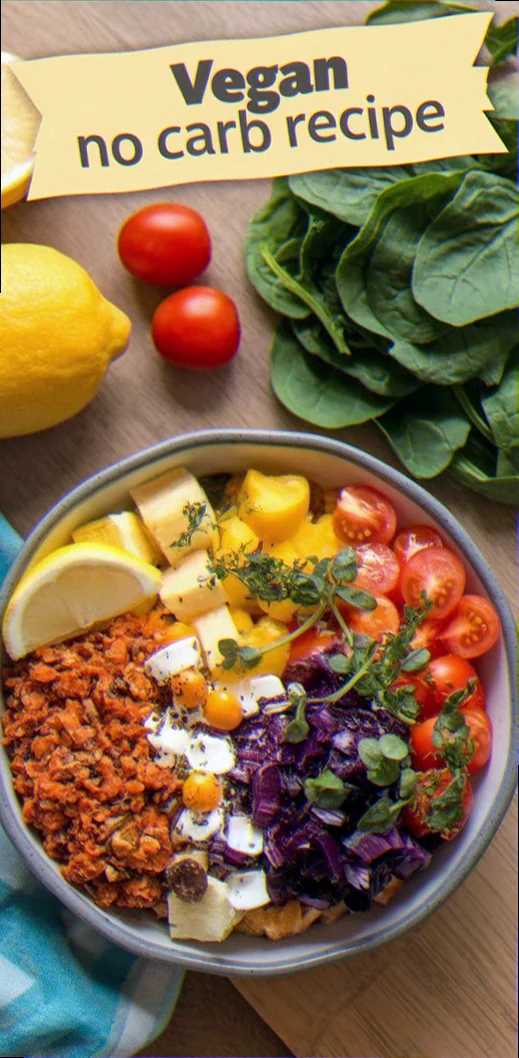
The scent of woodsmoke and simmering herbs hung heavy in the air of a humble stone cottage, nestled in the rugged Anatolian highlands. It was a crisp autumn evening, the year roughly 1450 CE, and a woman, her hands calloused from a life of tilling the unforgiving soil, meticulously arranged a vibrant mosaic of vegetables on a flat clay platter. This was not a dish for feasting, but for sustenance, for the quiet strength needed to face the coming winter. This was the genesis of Dolma, a culinary act of preservation and resourcefulness born from the heart of the Ottoman Empire.
Where Dolma Comes From — and Why It Was Invented
The story of Dolma is deeply entwined with the geography and agricultural practices of Anatolia, the cradle of the Ottoman Empire. Prior to the empire’s ascendance, the region, rich in fertile river valleys and blessed with a Mediterranean climate, was already a vibrant crossroads of ancient civilizations. These cultures, including the Hittites, Phrygians, and later the Greeks and Romans, had long cultivated a diverse array of vegetables. The necessity of preserving food for the lean winter months, coupled with the abundance of seasonal produce, spurred innovation.
The specific act of stuffing vegetables—a technique known as gemista in ancient Greek—was not a singular invention of the Ottomans. Evidence suggests similar practices existed in the Mediterranean basin for millennia. However, it was within the Ottoman kitchens, both imperial and domestic, that Dolma truly blossomed into a codified and widely recognized culinary tradition. The problem it solved was elegantly simple: how to make the most of limited resources, transforming humble vegetables into a satisfying and nutrient-dense meal. The available ingredients—peppers, eggplants, tomatoes, and various gourds—were staples, easily grown and harvested. The technique of hollowing them out allowed for the inclusion of grains and savory fillings, extending their palatability and nutritional value.
The Ingredients as Historical Artefacts
The ingredients that form the soul of Dolma are themselves chapters in the grand narrative of global food history.
Rice: The foundational element of many Dolma fillings. Its journey to Anatolia is a testament to ancient trade. Originating in the Yangtze River basin of China, rice traversed the Silk Road, gradually making its way westward. By the time of the Ottoman Empire, it was a significant agricultural crop in many parts of the empire, including Mesopotamia and the fertile plains of Anatolia. Its introduction provided a starchy, filling base that could absorb the flavours of other ingredients, a crucial development for a dish designed to be economical and sustaining. While modern vegan Dolma often uses rice, its historical presence is key to the dish’s original identity.
Olive Oil: The lifeblood of Mediterranean cuisine, olive oil’s history in Anatolia stretches back to the Bronze Age. The Phoenicians and Greeks were instrumental in its cultivation and trade. For Dolma, olive oil was not merely a cooking medium; it was a source of richness, a carrier of flavour, and a vital component for preserving the ingredients. Its presence in the filling and for sautéing lent a characteristic unctuousness and depth that is difficult to replicate with leaner fats.
Herbs (Parsley, Mint, Dill): These aromatic plants have been cultivated and utilized for their flavour and medicinal properties since antiquity across the Mediterranean and Middle East. Their inclusion in Dolma fillings provided brightness, complexity, and a refreshing counterpoint to the earthiness of the vegetables and grains. The specific combination and proportion of these herbs can vary significantly, reflecting regional and familial traditions.
Ziyafet — When and Why This Dish Is Made
While Dolma is a versatile dish, its more elaborate versions, particularly those featuring meat fillings, traditionally held a place of honour at Ziyafet (feasts) and celebratory gatherings within the Ottoman Empire. These were occasions for generosity and hospitality, where the host would showcase their bounty and culinary skill. Richly seasoned Dolma, often served in generous portions, demonstrated abundance and provided a satisfying communal meal.
However, the humbler, vegetarian versions of Dolma were also integral to everyday life, particularly during religious observances like Ramadan, where they offered a substantial and nourishing option for breaking the fast. The act of preparing Dolma, often a communal activity involving family members, further solidified its social significance. It was a dish that brought people together, both in its making and its consumption, reinforcing bonds of community and kinship. The very act of carefully preparing and stuffing each vegetable was a labour of love, a testament to the care taken in nourishing loved ones.
How The Diaspora Changed Dolma Forever
As peoples of the Ottoman Empire dispersed, carrying their culinary heritage with them, Dolma began its global journey. Greek immigrants brought their version, gemista, to America, often adapting it to local ingredients and tastes. Turkish communities in Europe and North America likewise introduced their Dolma, finding new audiences and encountering different culinary landscapes.
This migration inevitably led to transformations. In regions where certain vegetables were less common or more expensive, substitutions were made. For instance, zucchini might replace eggplant, or bell peppers might become the primary vessel. The availability of ingredients also influenced flavour profiles. The introduction of new spices or condiments from other culinary traditions could subtly alter the character of the dish. The most significant shift, however, has been the evolution towards vegan and vegetarian versions, driven by evolving dietary preferences and increased awareness of plant-based eating.
How to Make Vegan No-Carb Dolma — The Recipe in Full
The concept of “vegan no-carb” Dolma is a modern reinterpretation, a departure from the dish’s historical reliance on rice. This adaptation prioritizes vegetables and plant-based fats, reimagining the stuffing to align with contemporary dietary trends.
| Ingredient | Quantity | Why it’s here |
|---|---|---|
| Bell Peppers (various colours) | 6 medium | The classic vessel. Their natural sweetness and ability to hold their shape when baked make them ideal. Colour variety adds visual appeal. |
| Zucchini | 2 medium | Offers a softer texture and milder flavour, complementing the peppers. Can be hollowed out to create additional stuffing compartments. |
| Cauliflower | 1 small head | The “no-carb” hero. Grated or finely chopped, it mimics the texture of rice when cooked, providing substance without the carbohydrates. |
| Mushrooms (cremini or button) | 250g, finely chopped | Provide umami depth and a meaty texture, crucial for a satisfying vegan dish. |
| Onion | 1 medium, finely chopped | Aromatic base, providing sweetness and depth of flavour. |
| Garlic | 4 cloves, minced | Essential for pungency and flavour complexity. |
| Fresh Parsley | 1 large bunch, finely chopped | Adds freshness and herbaceous brightness, a traditional element. |
| Fresh Mint | 1/2 bunch, finely chopped | Offers a cooling counterpoint to the other flavours. |
| Olive Oil | 100ml, plus extra for drizzling | The essential fat for flavour, sautéing, and ensuring a moist filling. Its historical significance is paramount. |
| Tomato Paste | 2 tbsp | Concentrated tomato flavour, adding richness and a touch of acidity. |
| Vegetable Broth | 200ml | To moisten the filling and aid in the steaming process within the vegetables. |
| Lemon Juice | 2 tbsp | Brightens the flavours and cuts through the richness. |
| Spices: Cumin (1 tsp), Coriander (1 tsp), Smoked Paprika (1/2 tsp), Black Pepper (to taste), Salt (to taste) | As specified | A nod to regional spice traditions, adding warmth and complexity. |
Method:
Begin by preparing your vegetable vessels. Slice the tops off the bell peppers, reserving them, and carefully hollow out the seeds and membranes. For the zucchini, slice them in half lengthwise and scoop out the inner flesh, leaving a sturdy shell. Chop this scooped zucchini flesh finely to incorporate into the filling.
Next, prepare your “no-carb” base. Grate the cauliflower into fine pieces, resembling rice. Finely chop the mushrooms and onion. Mince the garlic. Chop the fresh parsley and mint.
In a large skillet, heat 50ml of olive oil over medium heat. Add the chopped onion and sauté until softened and translucent, about 5-7 minutes. Add the minced garlic and chopped mushrooms, cooking until the mushrooms have released their moisture and are lightly browned, another 7-10 minutes. Stir in the tomato paste and cook for a minute until fragrant.
Introduce the grated cauliflower and the finely chopped zucchini flesh to the skillet. Stir well to combine with the onion and mushroom mixture. Add the cumin, coriander, smoked paprika, salt, and pepper. Cook, stirring occasionally, for about 10-15 minutes, allowing the cauliflower to soften and absorb the flavours.
Pour in 100ml of vegetable broth and the lemon juice. Stir everything together and let it simmer gently for 5 minutes, allowing the flavours to meld and the mixture to become slightly moist but not watery. Remove from heat and stir in the finely chopped parsley and mint. Taste and adjust seasoning if necessary.
Preheat your oven to 190°C.
Carefully spoon the cauliflower and vegetable filling into the hollowed-out bell peppers and zucchini halves, packing it in but not to overflowing. Arrange the stuffed vegetables in a baking dish. Drizzle each stuffed vegetable generously with the remaining olive oil. Pour the remaining 100ml of vegetable broth into the bottom of the baking dish. Place the reserved pepper tops back onto the bell peppers.
Cover the baking dish tightly with foil. Bake for 45-60 minutes, or until the vegetables are tender and the filling is heated through. Remove the foil for the last 15-20 minutes of baking to allow the tops to slightly caramelize and brown.
Serve hot, perhaps with a dollop of vegan yogurt or a sprinkle of fresh herbs.
The No-Carb Compromise — What Authenticity Actually Means for This Dish
The creation of a “vegan no-carb” Dolma presents a fascinating tension between tradition and adaptation. Purists might argue that the absence of rice fundamentally alters the dish, stripping it of its historical substance and textural integrity. The characteristic chewiness and slight graininess of rice are integral to the experience of traditional Dolma.
However, authenticity is not a static monolith. The very evolution of Dolma, from its ancient precursors to its Ottoman codification, demonstrates a continuous process of adaptation. This modern iteration, while a significant departure in macronutrient composition, retains the spirit of resourcefulness and vegetable-centricity that defined its origins. The tension lies in what we choose to emphasize: the historical ingredient list, or the underlying philosophy of transforming humble produce into a flavourful and satisfying meal. The success of this vegan no-carb version lies in its ability to evoke the essence of Dolma – the vibrant colours, the aromatic herbs, the tender vegetables – even as it reinvents its core.
What Dolma Has Become — and What That Tells Us
Today, Dolma is a global culinary ambassador, embraced and adapted across continents. From the vibrant mezze platters of the Middle East to the hearty home cooking of diasporic communities, its presence is a testament to its enduring appeal. Modern chefs have elevated it, experimenting with exotic fillings and sophisticated presentations. Vegan and vegetarian variations are no longer niche but mainstream, reflecting a broader shift towards plant-based diets.
The journey of Dolma from a necessity born of Anatolian soil to a celebrated international dish mirrors the broader narrative of food globalization. It shows how culinary traditions can be both resilient and remarkably fluid, adapting to new environments, ingredients, and dietary philosophies. Its continued evolution speaks to our ongoing human impulse to nourish ourselves and connect with others through the shared act of cooking and eating, proving that even the simplest of vegetables can tell a story spanning centuries and continents.
Questions About Dolma
What is the single ingredient you should never substitute in traditional Dolma?
While many ingredients can be adapted, the type of vegetable vessel is arguably the most critical element for traditional Dolma. Using bell peppers or specific varieties of eggplant (like Armenian or Italian) provides the ideal structure and flavour profile that distinguishes it from other stuffed vegetable dishes. Substituting a softer or less flavourful vegetable might compromise the dish’s inherent character and textural balance.
How does Dolma differ between Anatolia and Greece?
In Anatolia, Dolma (often zeytinyağlı dolma when prepared without meat) frequently features a filling of rice, herbs, and sometimes pine nuts and currants, cooked in olive oil. The flavour profile is often savoury and slightly sweet, with a prominent herbaceousness. In Greece, gemista (which translates to “stuffed”) typically uses rice, herbs, and often minced meat (though vegetarian versions are common) and is baked with a tomato-based sauce, resulting in a richer, more tomato-forward flavour. The spices and the presence or absence of meat are key differentiators.
Related topics: Zero carb vegan recipes · Peta vegan recipes christmas · Raw vegan sauerkraut recipes
Is there a version of Dolma that is accessible to make at home without special equipment?
Absolutely. The vegan no-carb version described above is highly accessible. Beyond the specific recipe, a basic Dolma can be made with simple kitchen tools. A sharp knife for hollowing vegetables and a pot for simmering are the primary requirements. The “no-carb” adaptation is particularly forgiving as the cauliflower filling doesn’t rely on the precise texture of cooked rice. For traditional rice-filled Dolma, ensuring the rice is par-cooked or soaked is more critical than any specialized equipment.