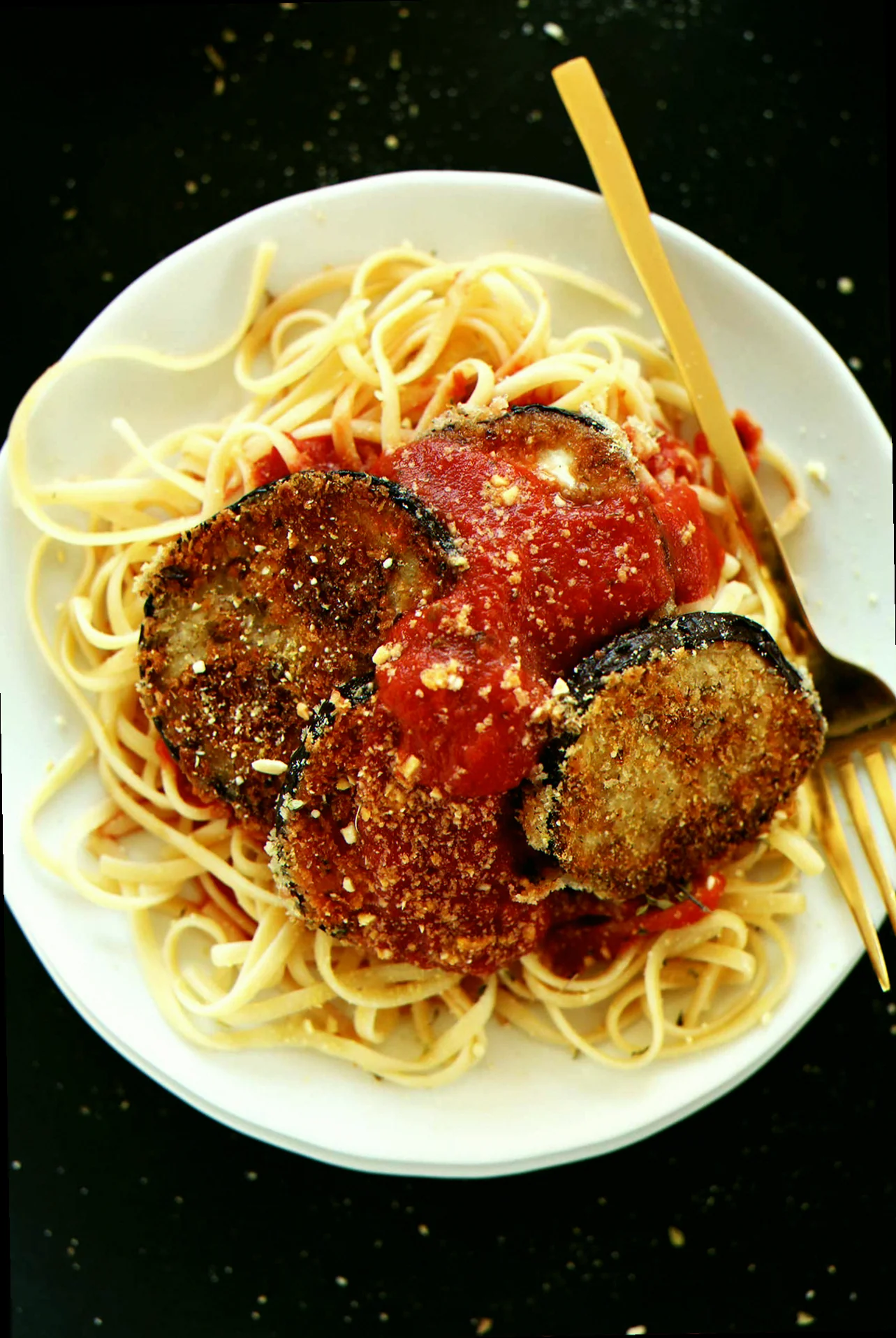
The first time I made vegan eggplant pasta, it was a disaster. A sad, watery, greyish mush clinging to limp noodles. It looked like something salvaged from a forgotten potluck. I’d dreamt of rich, deeply savoury, almost meaty depths, the kind of dish that silences a table with satisfied sighs. Instead, I got… disappointment. It took me years of wrestling with wilting aubergines and bland sauces before I finally understood the secret: the transformative power of salting and resting the eggplant.
Why Most Versions of Vegan Eggplant Pasta Fail
Most people, myself included for a long time, approach vegan eggplant pasta with a misguided sense of urgency. They chop the eggplant, toss it straight into a pan with some garlic and tomatoes, and expect magic. What they get, inevitably, is what I call the “Soggy Aubergine Sadness.” The eggplant, bless its spongy heart, is a sponge for moisture. Without intervention, it leeches out gallons of bitter water into your sauce, diluting all the flavour you’re trying so desperately to build. It becomes flabby, unappealing, and frankly, a bit of a textural disappointment. Instead of that luscious, tender bite that melts in your mouth, you’re left with something that feels… waterlogged. The sauce, meant to be a rich hug for the pasta, ends up thin and apologetic. It’s the culinary equivalent of a mumbled apology when you deserve a standing ovation.
The Ingredients That Actually Matter
Forget fancy store-bought vegan cheeses that promise miracles but deliver only mild disappointment. My vegan eggplant pasta is built on humble, honest ingredients. The star, of course, is the eggplant. I always reach for about 900g of firm, glossy globe eggplants. Their flesh is dense and can absorb flavour beautifully once coaxed. Then there are the tomatoes. I’m fiercely loyal to 800g of good-quality canned San Marzano tomatoes, crushed. Their sweetness and acidity are unparalleled, providing a bright counterpoint to the richness of the eggplant. Garlic is non-negotiable; I use at least six cloves, thinly sliced, because I believe in its pungent, aromatic power. A glug of really good extra virgin olive oil – about 60ml – is the backbone, helping to meld flavours and create that desirable sheen. For a subtle, earthy depth, I add 15g of dried porcini mushrooms, rehydrated and finely chopped. And finally, the pasta itself. I favour 400g of a robust shape like paccheri or rigatoni, something with nooks and crannies to catch every last drop of sauce.
The Moment Everything Changes: Salting and Resting the Eggplant
The revelation, the single insight that transformed my vegan eggplant pasta from a culinary catastrophe into a kitchen triumph, was the simple, yet profound, technique of salting and resting the eggplant. It sounds so basic, doesn’t it? But the difference is night and day. Before, I was fighting a losing battle against the eggplant’s natural tendency to weep. Now, I embrace it. By generously salting the cut eggplant and letting it sit for at least 30 minutes, you’re essentially drawing out that excess moisture before it ever hits the pan. This means your eggplant doesn’t steam itself into oblivion; it caramelizes, it browns, and it absorbs the flavours of the sauce instead of diluting them. It’s the difference between a shy whisper and a confident declaration.
How I Actually Make It Now — Step by Step
Prep the Aubergine: I slice my 900g of globe eggplants into 1.5cm thick rounds. Then, I lay them out on baking sheets lined with paper towels and sprinkle them liberally with about 20g of fine sea salt. I let them sit for a minimum of 30 minutes, sometimes up to an hour, until you see beads of moisture forming on the surface. This is the magic happening.
Squeeze and Sauté: After resting, I pat the eggplant slices dry with more paper towels, pressing gently to remove as much liquid as possible. The moisture will be visibly reduced. Then, I cut the rounds into roughly 3cm cubes. I heat 60ml of extra virgin olive oil in a large, heavy-bottomed pan over medium-high heat. I add the eggplant cubes in batches, being careful not to overcrowd the pan. I sauté them, turning occasionally, until they are deeply golden brown on all sides and starting to soften. This takes about 8-10 minutes per batch. They should look slightly shrunken and have a pleasing char. I remove them to a plate.
Build the Base: In the same pan, I add a little more olive oil if needed and lower the heat to medium. I add my thinly sliced six cloves of garlic and cook gently until fragrant and just beginning to turn golden, about 1-2 minutes. I’m watching carefully here to prevent burning. Next, I add the finely chopped 15g of rehydrated porcini mushrooms and cook for another minute, stirring.
Simmer the Sauce: I pour in the 800g of crushed San Marzano tomatoes. I bring the mixture to a simmer, scraping up any browned bits from the bottom of the pan. I season with a good pinch of salt (about 5g) and black pepper. I then return the sautéed eggplant to the pan. I stir everything together, cover the pan, and let it simmer gently for at least 30 minutes, or until the sauce has thickened and the eggplant is incredibly tender. The longer it simmers, the deeper the flavour.
Cook the Pasta: While the sauce simmers, I bring a large pot of generously salted water to a rolling boil. I add 400g of paccheri and cook according to package directions until al dente. I reserve about 240ml of the starchy pasta water before draining.
Marry and Serve: I add the drained pasta directly to the simmering eggplant sauce. I toss everything together vigorously, adding some of the reserved pasta water a little at a time to create a glossy, emulsified sauce that coats every piece of pasta and eggplant beautifully. I taste and adjust seasoning if needed.
The Failures I Still See — and How to Fix Them
- Watery Sauce: This is the cardinal sin. Cause: Not salting the eggplant properly, leading to it steaming rather than frying. Fix: Be ruthless with the salt and the pressing. Don’t be afraid to see a lot of liquid come out.
- Bland, Mushy Eggplant: Cause: Overcrowding the pan when sautéing, preventing proper browning and caramelization. Fix: Cook in batches, giving the eggplant space to breathe and develop that crucial char.
- Greasy Finish: This one still catches me out sometimes if I’m not paying attention. Cause: Using too much oil in the initial sauté and not draining the eggplant enough after salting. How I recover: If the sauce feels a touch too oily, I’ll add a splash more pasta water and stir vigorously. The starch in the water helps to bind the oil, creating a more balanced sauce. I also find a generous pinch of red pepper flakes at the end can cut through richness.
When I Make This and What I Serve It With
This vegan eggplant pasta is my ultimate comfort food, my go-to for a cozy weeknight dinner when I crave something deeply satisfying, or for a casual gathering with friends where I want to impress without stressing. It feels special enough for guests but is simple enough for a solo indulgence. I love serving it alongside a vibrant crunchy kale salad with a lemon-tahini dressing to provide a refreshing contrast. And for something a little more substantial, a side of garlic-rubbed crusty bread for mopping up every last bit of sauce is essential. A crisp, dry white wine like a Vermentino or a light-bodied red like a Sangiovese are perfect pairings.
Substitutions I’ve Tested Honestly
- Globe Eggplant → Japanese Eggplant: I’ve tried this. The Japanese eggplant is more tender and less seedy, which sounds good, but it doesn’t absorb flavour quite as readily and can become too soft. It’s acceptable, but I still prefer the robustness of the globe.
- San Marzano Tomatoes → Diced Tomatoes: This works in a pinch. The diced ones have a firmer texture and a slightly less sweet profile. The sauce won’t have quite the same silken quality, but it’s a decent compromise when San Marzanos are out of reach.
- Gluten-Free Pasta → Regular Pasta: Honestly, it’s a bit of a downgrade. GF pasta can be finicky. If you do use it, cook it precisely al dente and be very gentle when tossing. The sauce will still be great, but the pasta texture is often where it falls short for me.
Questions I Get Asked About Vegan Eggplant Pasta
My eggplant is still a bit bitter even after salting. What am I doing wrong?
You’re probably not salting it enough, or you’re not letting it rest long enough. Be generous with the salt – it’s not just for flavour, it’s actively drawing out those bitter compounds. And don’t rush the resting period. See the moisture? That’s the bitterness leaving.
Can I roast the eggplant instead of sautéing it?
You can, but it’s not the same. Roasting can dry it out too much, and you won’t get that same rich, almost creamy texture that comes from sautéing in good olive oil. The caramelization is also more pronounced and desirable when pan-fried.
Related topics: Vegan baby bok choy recipes · Vegan mashed sweet potato recipes · Peta vegan recipes christmas
I don’t have porcini mushrooms. Can I skip them?
Yes, you absolutely can. The porcini add a lovely umami depth, but the eggplant and tomatoes are the real heroes here. The dish will still be delicious without them. Just make sure you’re getting the best quality tomatoes you can find.