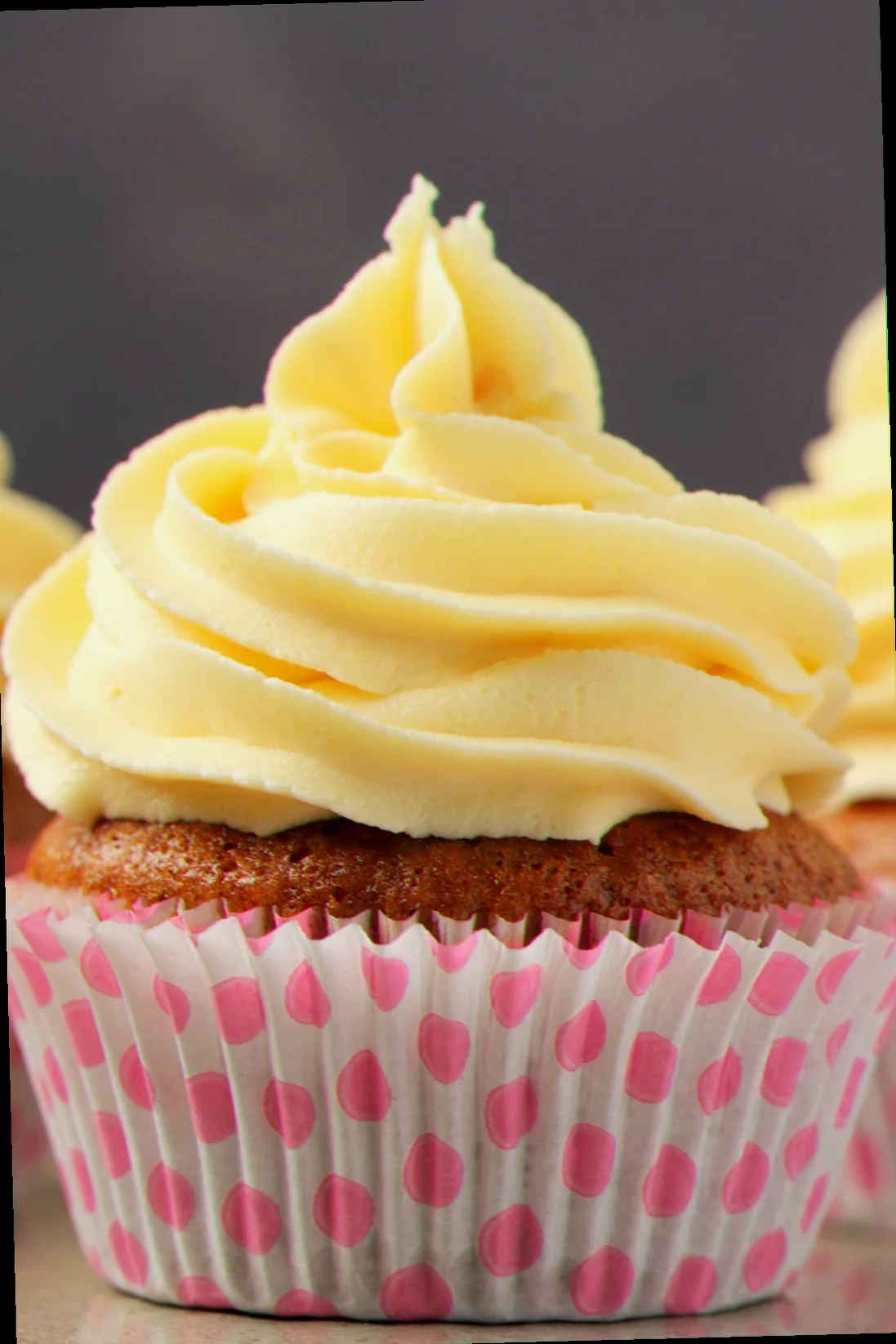
The most common failure in vegan buttercream is the Curdled Split, a catastrophic breakdown of the emulsion where the fat and liquid separate into a grainy, weeping mess that looks like watery cottage cheese. This occurs because vegan fats lack the natural emulsifiers found in dairy, making the bond between sugar, moisture, and fat incredibly fragile. This guide will diagnose every failure mode—from the “Melting Puddle” to “Gritty Tongue”—and provide the clinical precision required to eliminate them.
What Perfect Vegan Buttercream Actually Looks, Feels, and Tastes Like
Before diagnosing a failure, you must recognize the benchmark. Perfect vegan buttercream is an aerated emulsion that mimics the structural integrity of a traditional Swiss Meringue.
| Stage | Success marker — what you should see / feel / smell / hear |
|---|---|
| Creaming the Fat | The fat should be pale ivory, matte (not shiny), and hold a soft peak at 18–20°C. It should smell neutral and clean. |
| Adding Sugar | The mixture should transition from a heavy paste to a light, voluminous fluff. No audible “crunch” or visible granules when smeared against the bowl. |
| The Emulsion Finish | A spatula drawn through the bowl should leave a perfectly smooth trail with no air pockets (caverns) or liquid weeping. |
| At the Finish | It should melt instantly on the tongue without leaving a waxy coating. The flavor should lead with the extract (vanilla/almond) and finish with a clean fat note. |
The Ingredient Failures — Wrong Choices Before You Even Start
Most vegan buttercream failures are decided at the grocery store. Using the wrong “butter” or sugar grade makes a successful emulsion physically impossible.
- The Melting Puddle: caused by High Water Content in tub-style margarines → fix: Use Block-style Vegan Butter with at least 80% fat content. Tub margarines are whipped with water and air, which will collapse under the weight of sugar.
- The Gritty Tongue: caused by Beet Sugar or Coarse Grinds → fix: Specify 10x Powdered Cane Sugar (cornstarch or tapioca-based). Beet sugar often has a larger crystal structure that vegan fats cannot dissolve as efficiently as dairy fats.
- The Waxy Palate: caused by High-Melt-Point Vegetable Shortening → fix: Use a 50/50 blend of high-quality vegan butter blocks and organic palm-oil shortening if stability is needed, ensuring the shortening is non-hydrogenated to avoid the “plastic” mouthfeel.
The Technique Failures — What Goes Wrong During Mixing
Even with the right ingredients, mechanical errors can break the buttercream.
- The Temperature Seize: What it looks like: Small, hard chunks of fat floating in a sea of sugar → caused by Cold-Start Fat → fix: Ensure your vegan butter is exactly 18°C–20°C. If it is too cold, it will not encapsulate the sugar; if it is above 22°C, the crystalline structure of the fat collapses, and it will never hold air.
- The Bubble Field: Symptom: The frosting looks like a sponge with thousands of tiny holes → cause: Over-whipping with a Whisk Attachment → fix: Once the sugar is incorporated, switch to a Paddle Attachment and run on the lowest speed for 5 full minutes to “knock out” the excess air.
- The Sugar Slump: Symptom: The buttercream feels “heavy” and greasy rather than light → cause: Dumping sugar in all at once → fix: Add powdered sugar in 100g increments, beating for 60 seconds between each addition to ensure the fat has fully coated every sugar crystal.
The Equipment Failures — When Your Tools Are the Problem
- The Hand Mixer Trap: Hand mixers lack the torque required to properly aerate dense vegan fats, often leading to a “Heavy Grease” texture. The Fix: Use a Stand Mixer. If unavailable, you must beat the mixture for double the time prescribed, monitoring for motor heat which can melt the butter.
- The Stainless Steel Heat Sink: In a cold kitchen, a metal bowl will strip heat from the vegan butter, causing it to seize against the sides. The Fix: Briefly warm the bowl with a warm damp cloth or use a Glass/Ceramic Bowl which has better thermal insulation for the 18°C target.
- The Un-Sifted Clog: Using a standard sifter with large mesh. The Fix: Use a Fine-Mesh Conical Strainer. Vegan butter has less “grip” than dairy butter; any clump of sugar will remain a clump forever.
The Full Recipe — Built Around Preventing Every Failure Above
This recipe is engineered for a stable, professional-grade emulsion that resists melting and graininess.
- Vegan Butter Block — 225g (High-fat, cold-pressed) — Prevents “The Melting Puddle.”
- Organic Powdered Cane Sugar — 500g (Sifted twice) — Prevents “The Gritty Tongue.”
- High-Protein Plant Milk (Soy or Pea) — 30ml (Room temperature) — The protein acts as a secondary emulsifier to prevent “The Curdled Split.”
- Pure Vanilla Paste — 10ml — Paste adds weight and flavor without the thinning effect of cheap extracts.
- Fine Sea Salt — 2g — Cuts the “Sugar Shock” and stabilizes the sweetness.
Method:
- Tempering the Fat: Place the 225g butter block in the bowl. Success marker: You should be able to press a finger into it with slight resistance, but it shouldn’t be shiny or greasy.
- The Primary Aeration: Beat the butter alone for 5 minutes on medium-high. — Prevents “The Sugar Slump.” — Success marker: The butter should double in volume and turn nearly white.
- The Incremental Load: Add the 500g sugar 100g at a time on low speed. — Prevents “The Temperature Seize.” — Success marker: The mixture should look like thick paste after the first addition, then slowly lighten.
- The Emulsion Bridge: While the mixer is running, slowly drizzle in the 30ml plant milk and vanilla. This is where The Curdled Split happens if the milk is cold. — Success marker: The frosting should suddenly “tighten” and look glossy.
- The De-Gassing: Switch to the paddle attachment. Run on the lowest setting for 5 minutes. — Prevents “The Bubble Field.” — Success marker: A smooth, glass-like surface on the frosting.
How to Rescue Vegan Buttercream When It Has Already Gone Wrong
- If The Curdled Split has happened: This is a temperature failure. Take 1/4 cup of the broken mix, microwave it for 10 seconds until melted, then slowly stream it back into the main bowl while whipping on high. This “re-seeds” the emulsion.
- If The Melting Puddle has happened: The fat has lost its crystalline structure. Place the entire bowl in the fridge for 15 minutes. Remove and beat on medium. It will recover, but it will be slightly less airy than a perfect batch.
- If The Gritty Tongue has happened: This cannot be fixed by mixing. The sugar is not dissolved. The Rescue: Turn it into a “Mock Ermine” frosting by gently heating the mixture over a double boiler while whisking until the sugar dissolves, then chilling and re-whipping. It will be softer but smooth.
Make-Ahead: Which Failures This Introduces and How to Avoid Them
Making vegan buttercream ahead of time introduces “The Porous Crag”—a failure where the buttercream becomes dry, pitted, and impossible to spread.
- Storage: Store in an airtight glass container at 4°C for up to 7 days.
- The Re-Entry Failure: Never attempt to use it straight from the fridge. It will tear your cake.
- The Protocol: Allow it to reach 18°C naturally on the counter (about 2 hours). You must re-whip it with the paddle attachment for 3 minutes before using. This restores the emulsion that naturally weakens during cooling.
Related topics: Jackfruit pulled pork vegan recipe · Vegan baby food recipe book · Deep fried pickles recipe vegan
Diagnostic FAQ — Real Failures, Real Fixes
My buttercream turned out “Spongy” and full of holes — what went wrong?
You have The Bubble Field. This is caused by over-whipping with a whisk or at too high a speed. The fix for next time is the 5-minute low-speed “De-Gassing” step with a paddle attachment. For now, use a flexible spatula to manually “smush” the buttercream against the side of the bowl for several minutes to force the air out.
It looked right but tasted like “Sweetened Plastic” — where did I go wrong?
This is an Ingredient Quality Failure. You likely used a high-ratio shortening or a vegan butter with high levels of coconut oil that hasn’t been properly deodorized. Next time, ensure your fat source is a blend, and use high-quality vanilla paste to mask the base vegetable notes.
Everything looked perfect until I added food coloring — why did it split?
You used Water-Based Coloring. Vegan buttercream is an oil-heavy emulsion; adding water-based liquid disrupts the bond. The Fix: Use Gel-Based or Oil-Based food coloring. If it has already split, use the “Hairdryer Method”—blow warm air against the side of the mixing bowl while whipping to help the fat re-absorb the liquid.