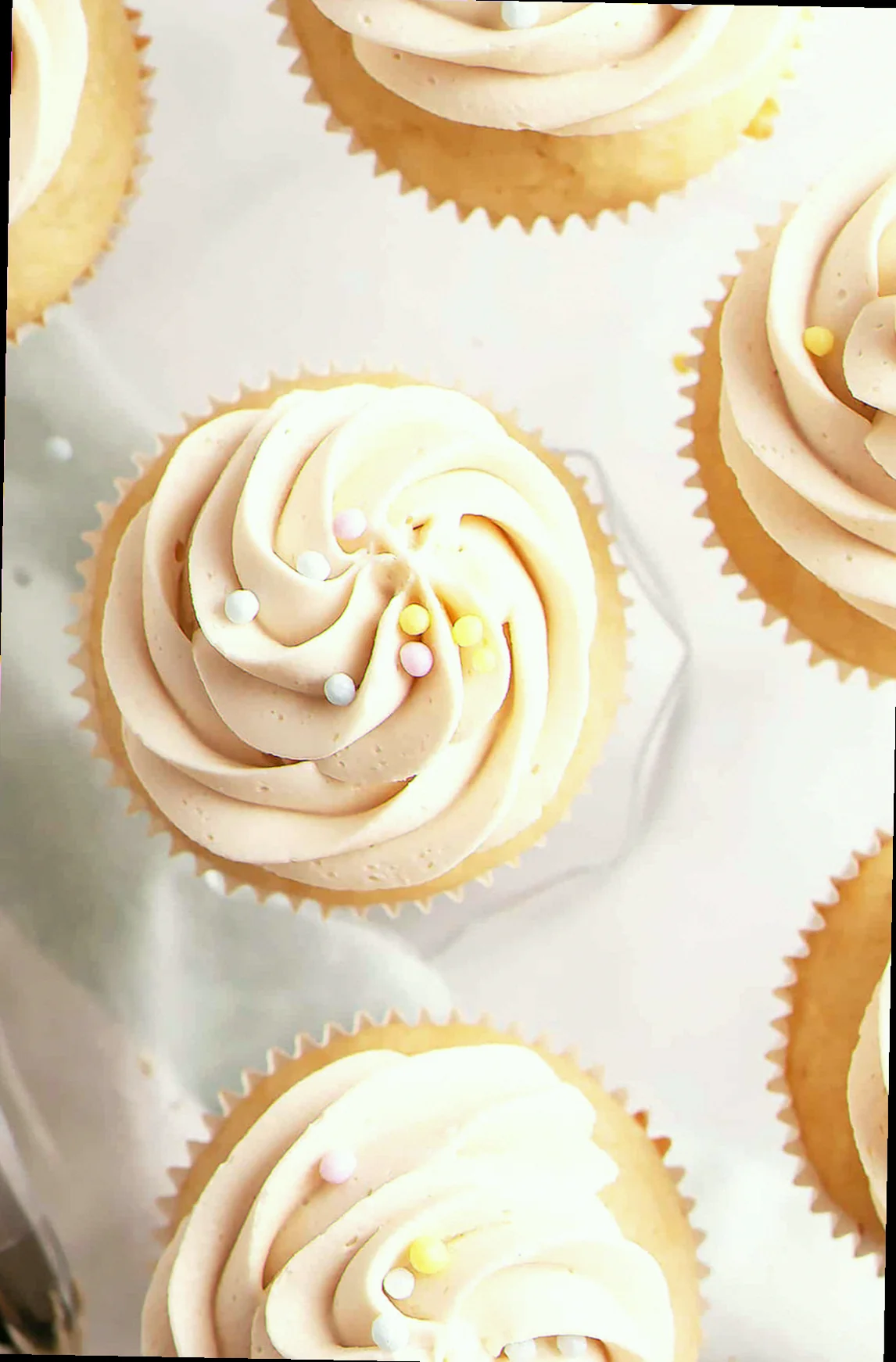
The first time I made my now-legendary vegan vanilla cupcakes, I ended up with something that looked vaguely like a cupcake but tasted like regret and packing foam. They were dense, crumbly, and utterly joyless. I’d spent what felt like an eternity chasing the perfect vegan cupcake, and the revelation that finally unlocked it for me wasn’t a secret ingredient or a fancy gadget, but a deep understanding of aeration.
Why Most Versions of Vegan Vanilla Cupcakes Fail
Everyone, and I mean everyone, seems to think that vegan baking is all about swapping out eggs and butter for a list of arcane substitutes. The “Mix Everything Together” method is the universal culprit. You see it everywhere: dump all the wet ingredients in one bowl, all the dry in another, then combine and bake. What you get is a gummy, heavy brick. The fat coats the flour too thoroughly, preventing gluten development from creating structure, and the leavening agents don’t get a fair shot at creating lift. Instead of a tender crumb that melts in your mouth, you get something that feels like it could survive a nuclear winter, but wouldn’t be invited to a birthday party. My early attempts were exactly this – sad, deflated pucks that only tasted vaguely sweet.
The Ingredients That Actually Matter
It took me years to realize that the magic isn’t in finding the most vegan substitutes, but in understanding how each ingredient behaves. Take the flour. I’ve tried every kind imaginable, but I always come back to 240g of good-quality all-purpose flour. It’s the reliable backbone. The sugar, a generous 200g of granulated, isn’t just for sweetness; it contributes to tenderness and moisture. The real stars, though, are the fat and the liquid. I use 120ml of a neutral oil, like canola or sunflower – anything too flavorful distracts from the delicate vanilla. And for the liquid, it’s 240ml of unsweetened soy milk. Why soy? It has a higher protein content than almond or oat milk, which gives the batter a little extra backbone, preventing that dreaded crumbliness. Then there’s the acid: 1 teaspoon of apple cider vinegar. This might seem weird, but it’s crucial for reacting with the leavening agents.
The Moment Everything Changes: The Importance of Active Aeration
The single insight that transformed my vegan cupcakes from inedible disasters into something truly spectacular was understanding active aeration. It’s not enough to just dump ingredients together. You need to build air into the batter. This means creaming the fat and sugar together thoroughly until it’s light and fluffy, and then incorporating the eggs (or in this case, a flax egg, which is 1 tablespoon of ground flaxseed mixed with 3 tablespoons of water, left to gel for 5 minutes) and then gently folding in the dry ingredients. It’s the technique of creating tiny pockets of air that will expand in the oven, giving you that glorious, cloud-like texture. Before I understood this, my cupcakes were dense because I wasn’t giving the leaveners anything to work with. Now, it’s the foundation.
How I Actually Make It Now — Step by Step
Preheat and Prep: First things first, I crank my oven to 175°C (350°F). Then, I line my muffin tins with paper liners. I find that a good quality liner prevents sticking better than greasing.
The Creaming Ritual: In a large bowl, I combine my 200g of granulated sugar with 120ml of that neutral oil. This is where the magic starts. I whip this together with an electric mixer for a good 3-5 minutes, until it’s noticeably paler and fluffier. You want it to look like pale, airy clouds. This step is non-negotiable; it’s the primary source of air in the batter.
The Wet Embrace: Now, I gently whisk in my prepared flax egg and the 1 teaspoon of apple cider vinegar. I don’t overmix here, just enough to incorporate everything smoothly. Then, I slowly pour in my 240ml of soy milk, whisking until just combined. The mixture might look a little curdled, don’t panic, that’s the vinegar doing its job.
The Gentle Fold: In a separate bowl, I whisk together my 240g of all-purpose flour with 1 ½ teaspoons of baking powder and ½ teaspoon of salt. I’m a big believer in sifting these dry ingredients, especially the baking powder, to ensure there are no clumps. Now, I add about a third of the dry ingredients to the wet. I fold them in gently with a spatula, just until barely combined. Then I add another third, fold, and finally the last third. The key here is gentle folding. You’re not beating the batter; you’re coaxing the dry into the wet, preserving as much of that air from the creaming stage as possible. Overmixing at this stage develops tough gluten, and we absolutely don’t want that. Stop as soon as you don’t see any dry streaks of flour.
Into the Tin: I divide the batter evenly among my prepared muffin cups, filling each about two-thirds full. I like to tap the tins lightly on the counter once to release any larger air pockets.
The Bake: Into the preheated oven they go for 18-22 minutes. I know they’re done when a toothpick inserted into the center comes out clean, and the tops are a lovely golden brown and spring back when lightly touched. The aroma is intoxicating – pure vanilla bliss.
The Failures I Still See — and How to Fix Them
- Dry, Crumbly Cupcakes: This is almost always a sign of overmixing. When you overwork the flour, you develop too much gluten, which results in a dry, tough crumb. The fix is simple: fold the dry ingredients into the wet just until combined. Seriously, stop as soon as you don’t see any flour.
- Dense, Gummy Cupcakes: This is the hallmark of insufficient aeration. Either you didn’t cream the sugar and oil enough, or you overmixed the batter, knocking out all the precious air. The fix is to commit to that 3-5 minute creaming time and then be incredibly gentle when folding in the dry.
- Domed, Cracked Tops: This one still catches me out if I’m rushing. It happens when the oven is too hot, or if the batter is too wet. My recovery is to immediately reduce the oven temperature by 10°C (25°F) for the last 5-7 minutes of baking, and tent the tops with foil if they’re browning too quickly.
When I Make This and What I Serve It With
These vegan vanilla cupcakes are my go-to for any celebration, big or small. They’re perfect for birthdays, potlucks, or just a Tuesday when I need a little sunshine. They truly shine when paired with a vibrant Strawberry Rhubarb Crumble – the tartness of the fruit cuts through the sweetness of the cupcake beautifully. For a more savory contrast, I love serving them alongside a Lemon Herb Roasted Chicken at a casual dinner party; the bright, fresh flavors complement each other wonderfully. And to drink? A chilled glass of Sparkling Elderflower Cordial is pure, unadulterated bliss.
Substitutions I’ve Tested Honestly
- Soy Milk → Almond Milk: I’ve tried it, and while it’s okay, the cupcakes end up a little less sturdy and a bit more prone to crumbling. It’s acceptable if you absolutely have to, but soy milk is superior for structure.
- Granulated Sugar → Coconut Sugar: I honestly don’t recommend it. It changes the color and flavor profile significantly, making them taste more like caramel. If you’re going for that, fine, but for classic vanilla, stick to white.
- All-Purpose Flour → Gluten-Free Blend: This is where things get dicey. I’ve had mixed results. Some GF blends work okay if they contain a good ratio of rice flour and starch, but you often lose that delicate crumb. It’s a compromise, and I usually find I need to add a touch more liquid and be extra careful not to overmix. It can work, but it’s not the “best ever” when you go GF.
Questions I Get Asked About Vegan Vanilla Cupcakes
“My cupcakes always taste a bit bland, what am I doing wrong?”
You’re probably not using enough good-quality vanilla extract. I use 2 teaspoons of pure vanilla extract, and I sometimes even add ½ teaspoon of vanilla bean paste for that extra oomph. Don’t skimp on vanilla; it’s the soul of a vanilla cupcake!
“Why do my cupcakes sink in the middle after I take them out of the oven?”
This is usually a sign of underbaking or too much leavening. Make sure your toothpick comes out perfectly clean, and double-check your baking powder isn’t expired. Also, ensure your oven temperature is accurate. An oven thermometer is your best friend.
Related topics: Vegan pumpkin spice drink recipe · Vegan potato bake recipe · Quinoa pudding recipe vegan
“Can I really just mix everything together like the ’easy’ recipes say?”
No. Please, for the love of all that is fluffy and delicious, do not just mix everything together. You will regret it. Embrace the creaming, embrace the gentle folding. Your taste buds will thank you.